

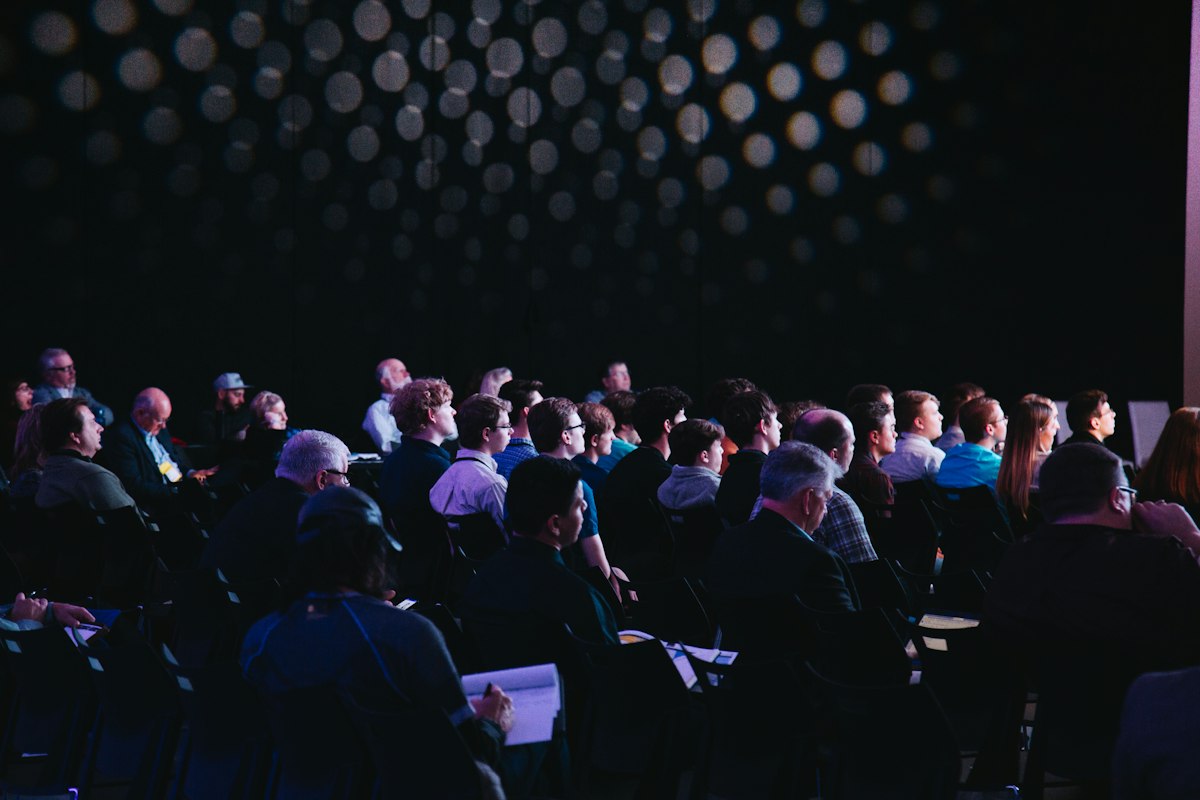
I have been in enough all-hands meetings and lunch-and-learns to know that the format is mostly broken. You get a room full of people who are nominally there to connect, a presenter who is trying to share something useful, and a dynamic where the information flows in exactly one direction while people check their phones. Everyone leaves having spent 45 minutes in a way they could describe but not really feel.
Last Thursday we ran something different. We called it a Technology Connect event - a deliberately low-stakes gathering for the engineering and technology teams to actually talk to each other, learn a little, and not have it feel like another mandatory sit-down. The centerpiece was a game called AI Jeopardy. It worked better than I expected, which is worth writing down while the details are fresh.
Why we decided to do this
Our technology team is spread across a few different functions - infrastructure, application development, data engineering, and a small security group. In the day-to-day work, these groups interact around specific tickets and projects, but they don't have a lot of organic visibility into what the others are actually doing.
This matters more right now than it has in the past because everyone is navigating the same set of questions about AI tooling: what is actually useful, what is hype, what are the risks in a regulated environment, and what are we supposed to be doing about all of it. Those conversations were happening in silos. The application developers had opinions. The infrastructure team had opinions. Nobody was comparing notes.
The connect event was partly about fun and partly about solving that specific problem: getting people into a room with a format that made it natural to share what they actually thought, rather than what they assumed they were supposed to say in a more formal setting.
The format: what we built
We had about two hours, a conference room that fit 25 people, and a modest budget for food. I had run similar things at a previous firm and had learned that two hours is the right length - long enough to have a real experience, short enough that it does not feel like it is eating the afternoon.
We split the time into three blocks.
Block one: AI Jeopardy (45 minutes)
This was the main event. I built a Jeopardy board in PowerPoint - five categories, five questions each, point values from 100 to 500. The categories were:
- Prompt Engineering - questions about how to get useful outputs from language models, including things that are specific to our regulated environment (what you shouldn't put in a prompt, how to structure queries for consistent output)
- AI in the Wild - current events, recent model releases, things that had been in the news in the last quarter
- Spot the Hallucination - I showed model outputs and teams had to identify what was wrong or misleading. This one got the most laughs.
- The Compliance Corner - questions about data governance, acceptable use policies, and the regulatory landscape around AI in financial services
- Infrastructure and MLOps - how models actually get deployed and monitored, which was aimed at giving the non-infrastructure people some context on what is involved in taking an AI system to production
Teams of four, buzzers made from the Kahoot app on their phones, a designated scorekeeper. I acted as host.
The questions ranged from genuinely easy (a 100-point question in AI in the Wild that most people got) to genuinely hard (a 500-point Compliance Corner question about the EU AI Act's classification system that nobody got, which prompted a useful five-minute discussion). The sweet spot was the questions that split the room - where some teams were confident and others weren't - because those generated actual debate and you could see people calibrating their understanding against their colleagues.
Block two: Two shorter games (40 minutes)
After Jeopardy we ran two shorter activities.
The first was a "Build or Buy" exercise. I presented five AI use cases relevant to our environment - things like automated report drafting, code review assistance, anomaly detection in trading data, and client communication summarization - and teams had 8 minutes to discuss and vote on whether each one should be built internally, bought from a vendor, or left alone entirely. The interesting part was not the votes but the reasons. The application team and the infrastructure team had very different intuitions about what "building internally" would actually involve, and getting those intuitions into the same room was the point.
The second was "Two Truths and a Model" - a variation on Two Truths and a Lie where I showed three statements about AI systems and one of them was generated by a model (as opposed to being a real fact). Teams had to identify the model-generated one. It was sillier than the other games and that was intentional - you need a gear change after 45 minutes of Jeopardy.
Block three: Open floor (35 minutes)
We kept the last block deliberately unstructured. The Jeopardy scores were on the board, people had food, and the instruction was to talk to someone from a different team. I had three prompt cards on tables - conversation starters like "what AI tool are you actually using and does it actually help" and "what's the most annoying compliance constraint you're working around right now" - but mostly people just talked.
This was where I think the real value was. Not the games themselves, which were good for energy and surfacing what people actually knew, but the conversations that the games made it natural to have.
What worked and what I'd change
What worked: the Jeopardy format travels surprisingly well to a professional context. People are competitive in a low-stakes way and the format creates natural moments for someone to say "wait, why is that the answer?" which is exactly the conversation you want.
The "Spot the Hallucination" category was the best one. It connected directly to something people are actually worried about in a regulated environment - the risk of trusting AI output that is confidently wrong - and it let people experience it in a controlled, funny setting before they encounter it in a context that matters.
The compliance questions, which I expected to be dry, ended up being some of the most engaged moments. People had more opinions about the regulatory landscape than they showed in formal settings, and a game format gave them permission to express those opinions without it feeling like they were staking out a position in a meeting.
What I'd change: the "Build or Buy" exercise needed more time. Eight minutes is not enough for five use cases, and the conversations were getting good right when I had to cut them off. I would either cut it to three use cases or give it 15 minutes.
I also underestimated how long it would take for people to get into the Jeopardy format at the start. The first two questions were slow while people figured out the rules and got comfortable with the buzzer system. Next time I would run a short practice round with a throwaway question to warm people up.
The case for doing this more
Technology teams in financial services are often so focused on not breaking things that the space for learning and lateral connection can shrink to almost nothing. The compliance requirements, the change management overhead, the production pressure - all of it is real and all of it crowds out the time that would otherwise go to understanding what your colleagues are thinking about.
A two-hour event is not a solution to that problem. It is a two-hour event. But it is also a signal that the organization values the connection, and it creates a common experience that people reference afterward. Two weeks later, people are still mentioning specific Jeopardy questions in conversations. That kind of common reference point is worth more than it sounds.
If you are thinking about running something similar for your team, the practical advice is: keep the stakes very low, make sure there is food, and design for the conversations you want people to have rather than the information you want to transmit. Games work because they lower people's defenses. Use that for something useful.
The next one is scheduled for August. I am already thinking about the categories.

